The Definitive Tattoo Voltage Guide: Expert Insights
Tattooing is an intricate craft that hinges on both artistic skill and the right equipment. A critical, yet often overlooked factor is the correct tattoo machine voltage. This setting dramatically influences machine performance, tattoo quality, and ultimately, the client’s experience.
Understanding Tattoo Voltage
Tattoo voltage refers to the electrical power supplied to the tattoo machine. Think of it as the accelerator pedal in a car — the higher the voltage, the faster and more forceful the needle moves. However, adjusting voltage improperly can lead to undesirable results such as uneven lines, blotchy shading, or excess trauma to the skin.
How Voltage Impacts Tattooing
- Speed: Higher voltage increases needle speed, excellent for crisp line work but potentially harsh for shading.
- Force: More voltage means a stronger impact, essential for solid lines but can be too intense for color packing or subtle shading.
- Skin Health: Incorrect voltage settings can cause skin damage, longer healing times, and reduced tattoo longevity.
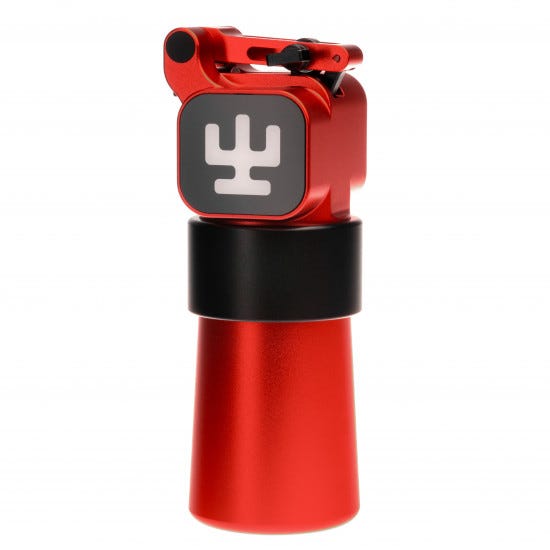
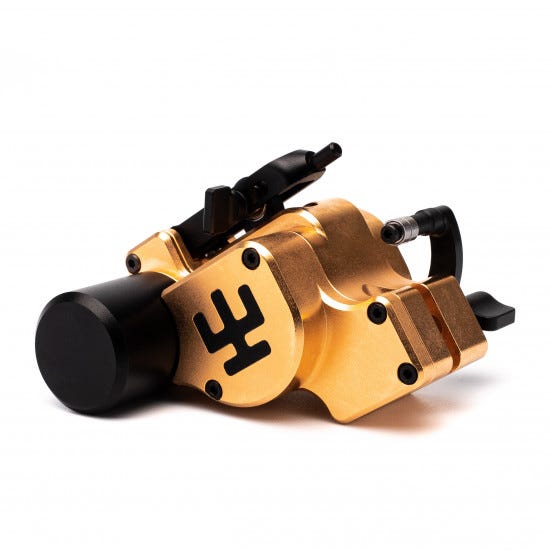
Vlad Blad Irons builds machines that offer seamless voltage adjustment, providing tattoo artists precise control tailored to every technique.
Recommended Voltage Ranges by Tattoo Technique
- Lining: 7.5V to 9V — Delivers quick, consistent needle penetration for sharp, clean lines.
- Shading: 6V to 8V — Allows smooth gradients and gentle skin penetration to minimize trauma.
- Color Packing: 7V to 9V — Balances power for rich saturation without overloading the skin.
Choosing Voltage by Machine Type
- Coil Machines: Typically run at 8V to 10V for powerful hits and precise lines.
- Rotary Machines: Function optimally between 6V and 8V, ideal for shading and color fills.
- Pen-Style Machines: Usually best between 6V and 8V, suited for detailed work.
Fine-Tuning Voltage for Optimal Results
The perfect voltage depends on several factors:
- Needle groupings: Larger needle sets generally require higher voltage.
- Skin type: Thicker skin may need stronger voltage.
- Tattoo style: Fine linework demands lower voltage and precision; bold designs benefit from higher power.
- Artist experience: Beginners should start with lower voltage to avoid damaging the skin.
Practical Tips for Voltage Adjustment
- Listen to your machine’s sound; a stable tone indicates proper voltage.
- Test on practice skins to find a comfortable setting.
- Adjust voltage gradually — small changes can significantly impact results.
- Always consider client comfort and skin reaction.
Prioritizing Client Safety
Using the right voltage protects the skin, promotes faster healing, and ensures the tattoo’s durability. Vlad Blad Irons’ reliable machines empower artists to safely achieve professional results every time.
Opting for Vlad Blad Irons means equipping yourself with tools designed by experts, focused on delivering precision, safety, and consistent quality in tattooing.
Read the original article The Ultimate Guide to Tattoo Voltage.


Comments
Post a Comment