Coil vs Rotary Pen: What Really Matters Behind the Machine
Let me tell you, as someone who’s spent years immersed in the ink-slinging world, picking between a coil machine and a rotary pen isn’t like choosing coffee over tea. I’ve tinkered with countless models, from clunky relics to cutting-edge designs, and I can say with confidence that your choice influences everything from the crispness of your lines to how your back feels after a session.
So for me, it is not “team coil” versus “team pen”, but a simple question: what changes in my hand, in the skin, and in my daily workflow when I pick one type of machine over the other?
Understanding the Core Differences: Design, Feedback, and Power
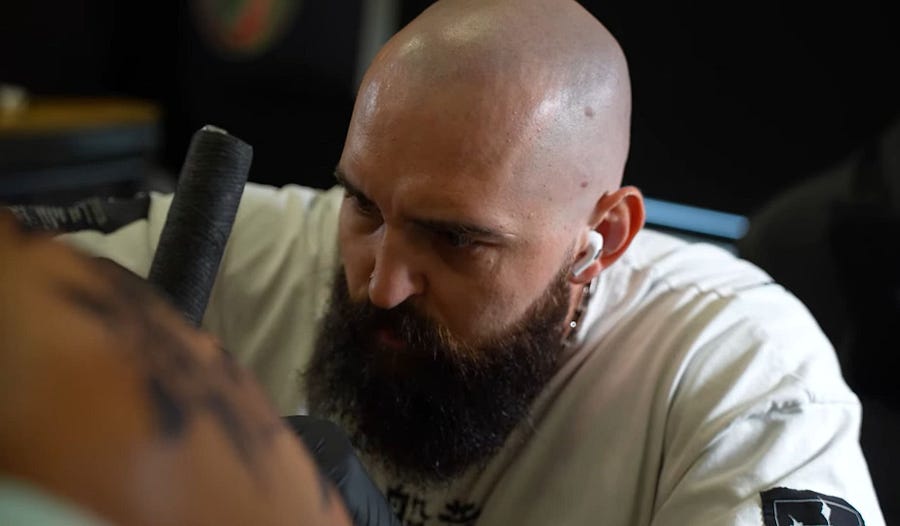
Coil setups typically feature an open-frame construction, with the weight skewed toward the back, giving them a grounded, authoritative presence. This design, reminiscent of a sturdy blacksmith’s hammer, allows for precise control in bold strokes, as the armature bar snaps back with electromagnetic force. Technically, the coils create a magnetic field that pulls the bar down, compressing a spring, then releases it — resulting in a pulsed action that’s about 50–150 cycles per second, depending on tuning. In practice, this means you get tactile feedback that helps gauge skin resistance, much like feeling the road through a manual transmission.
Rotary pens, by contrast, mimic the sleek ergonomics of a fine writing instrument, with weight distributed evenly along a cylindrical body. Powered by a DC motor and eccentric cam, they convert rotation into linear motion, delivering a consistent stroke without the interruptions of pulses. This even distribution reduces wrist strain, ideal for sessions stretching 8 hours or more. But here’s my take: while coils offer that raw, mechanical dialogue with the skin, pens demand sharper visual acuity, as their quieter vibe provides less auditory cues.
For beginners, I recommend starting with a pen to build confidence without the intimidation of constant buzzing; seasoned pros might appreciate coils for their customizable “hit,” adjustable via spring tension or gap settings.
Power and Precision in Action
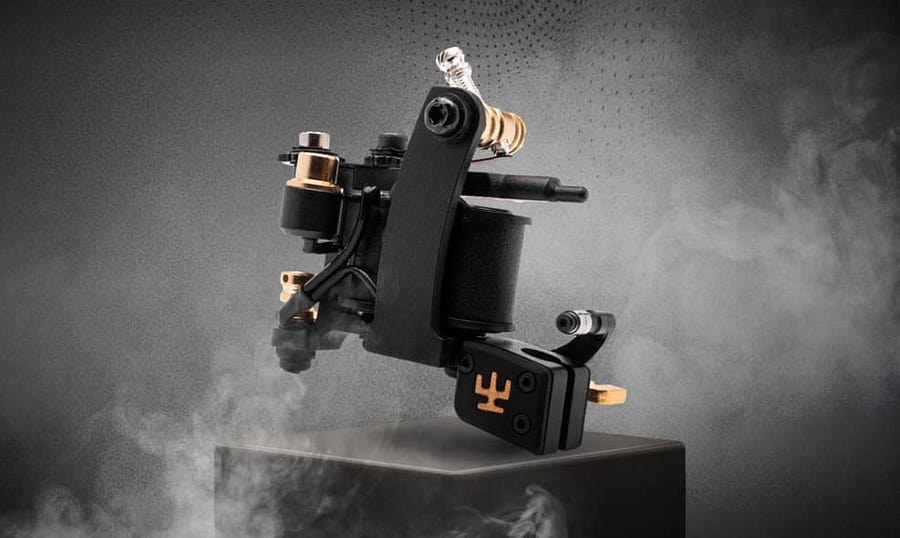
Machines also differ in how they “talk” to you. Coils are loud. The electromagnetic pulse creates a variable force curve — peaking at impact and tapering off — which excels in single-pass lining with groupings like 7RL or 14RS. Artists often tune the front spring for snap and the back for speed, achieving a rhythm that syncs with hand movements, almost like a drummer hitting the perfect beat..
Yet, no tool is without its quirks, and coils demand respect through maintenance. The trade-off? They’re heavier, often tipping the scales at 200–300 grams, which can lead to fatigue if not balanced properly. For future-proofing, look for modern iterations with integrated stabilizers to minimize needle wobble, ensuring crisp results even on tricky skin types. If you’re into graphic blackwork, start with voltage around 7–9V for lining, and always clean contacts weekly to avoid erratic performance — trust me, it’ll save you mid-session headaches.
The Allure of Rotary Pens: Comfort Meets Versatility
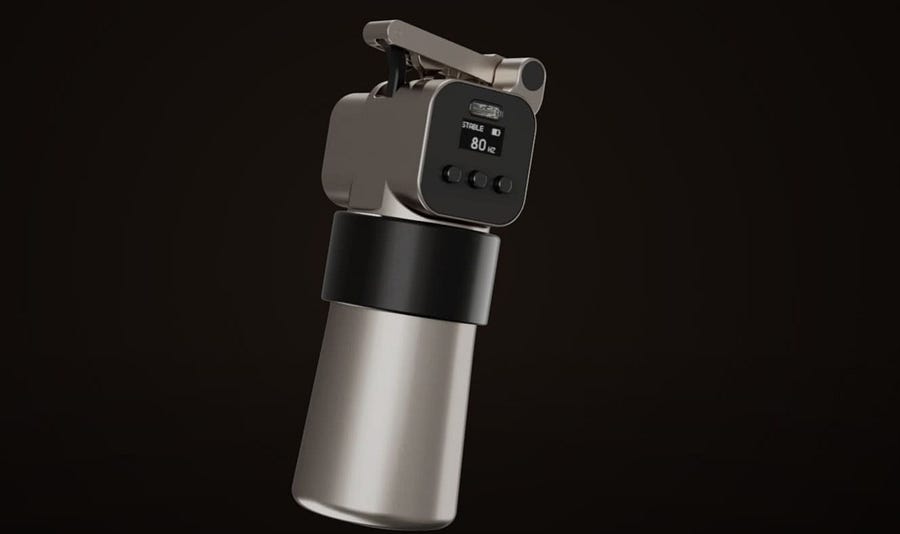
The real charm of rotary pens lies in their ergonomics, with grips positioned near the needle tip for intuitive handling, reducing forearm torque during epic sessions. However, they shine less in raw feedback; without the coil’s vibration, you must rely on sight and subtle grip pressure to avoid overworking the skin. If realism is your jam, opt for adjustable stroke models and keep speeds low (around 6–8V) for gradients; it’s a game-changer for minimizing trauma and speeding recovery.
Matching Machines to Your Artistic Journey: Practical Picks and Hybrid Wisdom
So, how do you decide without second-guessing? It boils down to your style, stamina, and workflow — ask yourself, “Do I crave the rhythmic authority of a coil for bold traditions, or the effortless flow of a pen for intricate details?”. For bold blackwork, I’d steer you toward a dedicated coil liner tuned for punch; it fosters confidence in one-pass work, as the pulse helps maintain even depth.
For mixed realism, a pen’s quick-swap cartridges let you pivot seamlessly, saving precious minutes. My opinion? Don’t pigeonhole yourself — start with a hybrid setup: one coil for structure, one pen for finesse. Wireless pens with app-controlled voltages could revolutionize portability. Ultimately, test-drive both — your hands will thank you, and your art will evolve. If you’re just starting, lean pen for forgiveness; pros, embrace coils for mastery. There, that’s my two cents, inked with experience.


Comments
Post a Comment